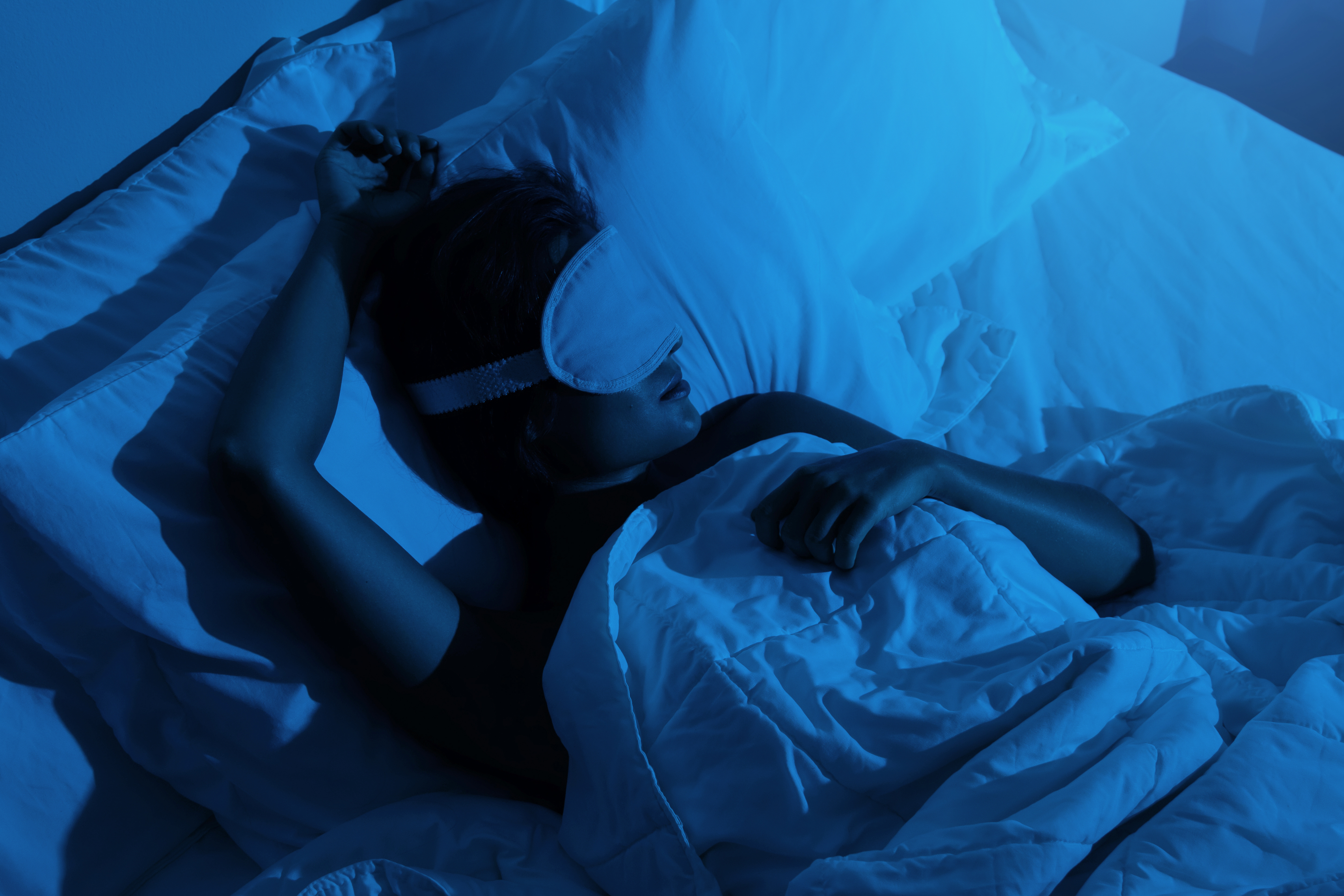
Why quality sleep can impact your mental wellbeing
Quality sleep is a powerful wellbeing protective factor. Learn how rest impacts mental health and discover simple habits to improve your sleep routine.
Problems with sleeping are common with around 40% of Australian adults not getting enough. Missing out on good sleep doesn’t just leave you tired – it raises your risk of heart disease, obesity and other serious health conditions. It also affects your mental health and can increase the likelihood of depression and anxiety.
Sleep is one of those key wellbeing factors that can help you stay in the green zone. When you’re well rested, you’re better able to cope with life’s challenges. When you’re not, everything feels harder.
So why does sleep matter so much and what can you do if you’re struggling?
Why sleep is a positive wellbeing protective factor?
Protective factors are the habits and supports that help us stay balanced. They include:
· Healthy eating patterns
· Regular sleep and exercise
· Strong social connections
· Work life balance[CW1]
The link between sleep and mental health is strong. People with insomnia (those who have difficulty falling or staying asleep) are far more likely to experience significant levels of depression and anxiety. On the flipside, a good night’s sleep can lift your mood, improve memory and help you manage stress.
How much sleep do we need?
Everyone’s needs are different but as a guide, most adults between 25 and 64 should get between 7 - 9 hours per night. It’s not recommended to get less than 6 or more than 10 hours.
The best test is how you feel. Constant fatigue, irritability, or trouble falling or staying asleep are signs it may be time to work on your sleep habits.
Ways to improve sleep
Some factors are outside your control, but many aren’t. To improve your sleep hygiene, try:
· Having a nightly wind-down routine – read, stretch, or listen to calming music
· Going to bed at the same time each night
· Avoiding caffeine, alcohol and tobacco in the evening
· Getting daily exercise and natural light
· Putting away screens an hour before bed to reduce blue light exposure
· Creating a cool, dark, quiet bedroom with a supportive mattress and pillow
Everyone has a different way of getting to sleep so experiment to work out what’s best for you.
When poor sleep affects mental health
Sleep and mental health influence each other. Trouble sleeping can worsen your mood, while stress or anxiety can make it harder to sleep. Sometimes, tackling both at once is the best approach.
If you’re moving away from the green zone[CW1] , reach out early. Talk to trusted family or friends, or if things are getting really tough, consider professional help such as a psychologist, psychiatrist or wellbeing officer. Support is available, and the earlier you act, the easier it is to get back on track.
References
https://pmc.ncbi.nlm.nih.gov/articles/PMC8651630
https://www.beyondblue.org.au/mental-health/wellbeing/sleep
https://www.sleepfoundation.org/mental-health
https://www.sleephealthfoundation.org.au/sleep-topics/how-much-sleep-do-you-really-need
https://www.aihw.gov.au/mental-health/topic-areas/health-wellbeing/stress-and-trauma